
Jakarta in Pictures
Through photos, this post is here to appreciate Jakarta, the capital city and its heterogeneity, from the author’s view. Here are the things that come to the author’s mind when talking about Jakarta.



Its nature.



Its skyscrapers.



Its busy traffic.



Its public place.



Its vandalism art.


Its sunset.
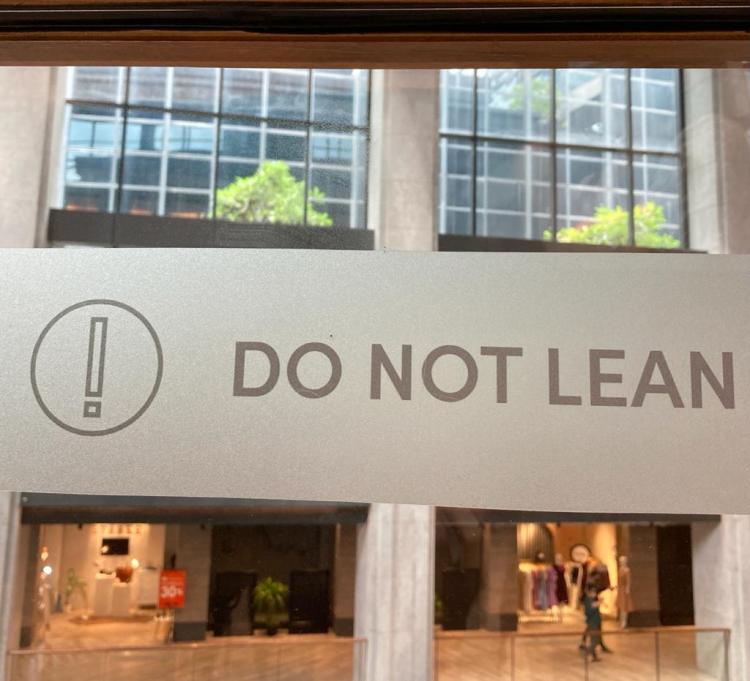


Its ambition.


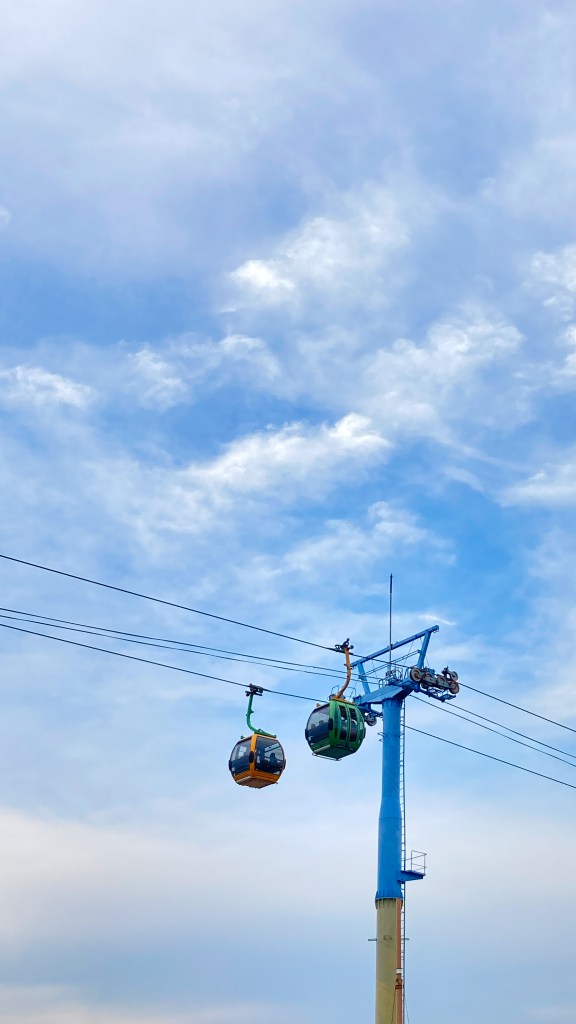
Its entertainment.



Its spots that we had visited together.
Perseverance: Taking The High Road

Challenges and issues are inherent parts of humans’ daily life. However, it depends on people’s mindset and perspectives toward the problem they are facing that might determine their response and actions, and thus affect the solution and the final results. Setting up a growth mindset, even struggle could be seen as opportunities to grow and develop, and in that critical time, individuals could find additional strength to solve their issues and to come back from the ground. One of the most pivotal characteristics that individuals need to bear in mind is perseverance. After all, it is not a fight between oneself against others, but a battle between an individual versus himself/herself, and perseverance could lead oneself to be the winner.
There are many inspiring and motivating quotes and an example regarding perseverance and willingness to fight. In this post, the author would like to present some selected quotes as motivation and a reminder for the author personally, and for the readers generally. The first highlighted quote comes from Winston Churchill which says, “success is not final, failure is not fatal, it is the courage to continue that count”. While there is still a question of whether the words are truly coming from Churchill, nevertheless it is still worth noting the quotes as motivation during hard times, particularly in transition or changing phases in someone’s life. It makes individuals down to earth, be humble, and keep the focus on what they are doing in the time of success, and maintain the courage and brave heart during the time of striving to get back in tune immediately. The courage to continue could be seen as a way to adapt and catch up with the situation, to learn and improve all the time and at any opportunity.
The second line comes from the Captain Fantastic (2016) movie. In one of the final scenes, it is said, “always take the high road”. According to Cambridge English Dictionary, this idiom is defined as behaving in a moral way when other people are not behaving morally. In other words, it is the integrity and the courage to embrace the process in appropriate ways and in accordance with the applicable rules under any circumstance that an individual encounter to achieve certain goals or positions. This kind of trait and characteristic would eventually bring an individual into success and pay for their efforts with rewards. In addition, it could further be linked with Zig Zigler’s quote which says, “It’s your attitude, not your aptitude that will determine your altitude”. It reminds us to maintain moral values and appropriate actions in any kind of situation that we experience since we know that by keeping these in mind, we could be more careful and aware in our decisions, and further will lead us to the accomplishment of our objectives.
Moreover, it could be inferred from certain movies and anime some inspiring and encouraging figures, for instance from Luffy in One Piece, and Naruto anime. While it is admitted that both characters are fictional, nonetheless, it is imperative to note that both figures reflect a good example of a fighting spirit that never gives in and quits the battles. The determination that is shown in their stories could inspire people who are in battles with their struggles in real life and encourage individuals to keep going on with their lives, since the paths will eventually be paved, and the favor is there for those who never quit.
In conclusion, it should be noted that determination could lead individuals to reach the optimum point of their potential. Perseverance leads to a willingness to make the most of an individual’s resources to live on the right track, to do the necessary tasks as part of his/her efforts, to win against himself/herself, and to accomplish the ultimate goals that will finally be rewarded with the worth and appropriate gifts.
Reference
Cambridge English Dictionary
Ross, M. (Director). (2016). Captain Fantastic. Electric City Entertainment.

Mind Our Own Businesses and Maintain The Courage to Continue

Recently, someone had reminded the author about a unique feature in a data analysis software which provides users with some motivational quotes from famous public figures. One of the quotes was from Winston Churchill that said, “Success is not final, failure is not fatal. It is the courage to continue that counts.” This quote could be associated with an individual’s motivation, that is, the driving factor of someone’s willingness, actions and objectives. There are several theories about motivation state which provide a good understanding of people’s motivations and senses of fulfillment with their life. However, as social media advancement has provided broader access to other people’s lives, social comparison could hardly be avoided, and further impacting personal motivation. While the social comparison through social media might affect personal motivation negatively, the positive impacts of doing so could outweigh the negative ones only if an individual could manage his response and how he processes information in such a way that the social comparison leads to an increase in his personal motivation.

It is relatively easy to feel discouraged or unmotivated when people are in struggle and facing challenges to overcome – sometimes, it wears them out. Despair moment attempts individuals to think about quitting from the event or hiding somewhere because it seems hard to deal with the circumstance. Nevertheless, doing such things could not be considered as appropriate solutions during hard times. It should be noted as well, that a bad moment is not fatal, and it is not the end of everything. Life goes on, however, no matter how people feel, individuals need to adapt and catch up with the circumstances. The tough moment shall eventually pass, and therefore, the moment of crisis is actually an opportunity to grow up better, faster, and stronger than ever. It is all about individuals’ responses and ways of processing information to their unique situations that determine the next steps of their paths. In other words, mind our own businesses could be a sensible way to keep moving forward with our lives and to maintain personal motivation properly.
Take it from the other side, some people might even react to the tough situation with the nostalgia of their heyday in the past. It is imperative to note that success is not final, and it is not the end of everything as well. Nonetheless, some people could be trapped in the feeling of comfort by recalling and telling people about their glory or achievement in the past, which of course might not relevant to the current situation anymore. While in fact, the real circumstances require them to be adaptive, to learn all the time, and to develop as well as equip themselves with the necessary skills, knowledge, and wisdom. This response could appear as another kind of discouragement and reduction in personal motivation to cope with the situation they are facing which further hinder an individual in accomplishing personal objectives. This means that it is not wise and appropriate to quit or to decide to end something based on this kind of biased emotion and feeling. In other words, the courage to continue is pivotal to promote someone to a higher level and enables him to deal with any kind of situation prudently.
Particularly, there might be several factors determining personal motivation and well-being. Among other determinants, one of the most important things in modern life which might affect people’s state of motivation might be social media. Public figures and renowned people could surely inspire society in a good way by their words and actions that are being exposed heavily by the presence of social media, and this is supposed to encourage personal motivation. On the other hand, the same social media attempts its users to be more curious about their relatives’ condition as well as to be more encouraged to share (or expose) their own business (or privacy) to their followers. This might be due to the fact that in general, people compare themselves to those who are similar (Festinger, 1954) in terms of personal characteristics or performance.
It is worth noting that not all social media users are wise enough to have their responses in a proper way. In the time of crisis, some individuals are vulnerable to compare themselves with their relatives, namely social comparison, and as a result, their focus is scattered and their motivation plunge dramatically. An individual could compare himself to another person through upward comparison, which is a comparison with someone who is better than him, or through downward comparison, in which he compares to another person who is worse than him. However, there are positive and negative inhabit in any kind of social comparison.
An individual who conducts upward comparisons on relevant dimensions with his life could threaten his self-evaluation and harm his self-esteem (Tesser & Collins, 1988), which ultimately leads to the feeling of envy with others’ lives and dissatisfaction with his own life. On the other hand, when others’ accomplishments are coming from dimensions that are not relevant to the self and one’s self-evaluation is not under threat, an individual might feel joyful, which in turn enlightens him with hope and inspiration. Meanwhile, an individual could also hold downward comparisons with others’ lives that might enhance his self-evaluation on relevant dimensions, which further lead to a self-enhancement effect (Wills, 1981). For example, when an individual suffering from a struggle he is facing and makes downward comparisons with those suffering even more than him, this might turn his feeling to be more grateful. Nevertheless, recent findings have also found the downside of this comparison such that downward comparisons might lead to feelings of scorn (Fiske, 2011), and the drastic boost of self-evaluation leads to an excessive sense of pride, which eventually would negatively impact an individual.
Moreover, in Social Comparison Theory, individuals tend to make comparisons as a way to fulfill the desire of evaluating themselves (Festinger, 1954). This implies both negative and positive impacts on human beings subject to the way the individuals manage this concept and process the information in their lives. Some pieces of literature suggest the negative impact of being exposed to social comparison with others’ lives, yet it would bring benefit only if individuals could handle their social comparison. For instance, Lee (2020) finds that Facebook users are envious of other people when they conduct upward comparison due to the reduction in self-esteem that further leads to lower life satisfaction. Conversely, users could be savored when they have social support since it would boost their self-esteem, which in turn leads to higher life satisfaction.
In a more applicable example, Centola (2018) reveals that social media could indeed promote people to carry on more exercise, yet only if it is used in the appropriate way. While if it is implemented mistakenly, social media could be a boomerang and brings backfire that leads to less amount of exercise. Furthermore, it should be highlighted that the comparison is conducted with individuals’ peer groups or close friends. According to Centola, this circumstance could cause a natural “social ratchet effect” in which each individual’s activity gives an impact in generating more activities among the others.
Practical ways as personal responses to social comparison should be considered wisely to reap the benefit of it, and hence an individual could manage to increase personal motivation. Those ways including finding role models in each phase of life to learn from their experiences, maintaining support circles that are coming from individual’s family, relatives, peer groups, and close friends, counting individual’s blessings to feel more grateful and joyful, cultivating kindness since research findings have shown the happiness is experienced by individuals who give and help others, and limiting interaction with people who continuously bring negative impact by judging and comparing oneself to the others (Scott, 2020).
In conclusion, social comparison is hard to avoid since it inherently becomes one of the ways humans evaluating themselves. Therefore, it is important to highlight the motivational quote from Churchill in order to keep personal motivation, be persistent and hold their endurance during a tough time, while in a good time, individuals need to keep down to earth, be humble, and be prepared for the next round and journey by maintaining our focus with our own objectives rather than being preoccupied other’s lives. Social media might be an opened-access medium for someone who intends to conduct social comparisons, yet it would be wise for individuals to manage social comparisons in order to increase personal motivation that leads to better well-being.
References
Centola, D. 2018. How Behavior Spreads: The Science of Complex Contagions. Princeton, NJ: Princeton University Press.
Centola, D. (28 November 2018). Which Is Better, Support or Competition?. Retrieved fromPsychology Today
Festinger L. (1954). Theory of Social Comparison Processes. Human Relations, 7(2):117-140
Fiske, S. (2011). Envy up, scorn down: how comparison divides us. The American Psychologist, 65(8), 698-706.
Garcia, S. & Halldorsson, A. (2021). Social comparison. In R. Biswas-Diener & E. Diener (Eds), Noba textbook series: Psychology. Champaign, IL: DEF publishers. Retrieved from Noba
Lee, S. (2020). A Study on the Effect of Comparison with Others and Social Support on Life Satisfaction of Facebook. Advances in Journalism and Communication, 8, 1-15.
Psychology Today. Social Comparison Theory. Retrieved from Psychology Today
Scott, E. (26 November 2020). The Stress of Social Comparison. Retrieved from Verywell Mind
Tesser, A. & Collins, J. (1988). Emotion in social reflection and comparison situations: Intuitive, systematic, and exploratory approaches. Journal of Personality and Social Psychology, 55(5), 695-709.
Wills, T. (1981). Downward Comparison Principle in Social Psychology. Psychological Bulletin 90: 245-71.
Random Pondering

how do you know when something is what you are looking for?
how do you comprehend that it is the true and the real one?
how do you conceive that it is not fake?
in general, the answer would be: you just know, naturally and instinctively. you will have the feeling of ‘click’ – and what the author means by the word is in the entire aspect of the thing that is asked previously.
in specific, the answer may appear in many faces depending on the context, with the basis of the general answer provided above. some following example cases might hopefully well explain the answer:
1. the need
you will know that you don’t need and would reject soda, milk, or any other flavored drink someone’s offering when you are in a great thirst. you would only accept mineral water which is the only one that could quench your thirst. you just get it that the drinks with their features and higher prices in a nominal amount other than mineral water is priceless for you at the moment you feel very thirsty. an equilibrium occurs in the intersection of supply and demand, when demand meets its supply. somehow, everyone has his/her own unique characteristics that create its own demand, which then will be met with its unique supply by another party at some point of time. just like a unique code that will perfectly match with its intended (or destined) pair of code to unlock amazing things ahead.
2. the get into
when you get into something, start enjoying and somehow feel bonding suitably – due to lots of time together or some features are complementing uniquely – you probably find it easier to have more confidence and to go through anything that you are facing together with the thing, i.e. there is a feeling of uniting with it. at that moment, you feel the ‘click’ that it is what you need, it will sustain well through many kinds of circumstances. exempli gratia, you find that you feel more suitable in using a certain gadget brand and thus it improves your productivity, compared to another brand that you have utilized once.
3. the comfortably right
you will conceive that something is real and not fake when it does not cause uncomfortable feelings, as well as it does not make you become someone else other than yourself. particularly, it does not change the good features of you to adjust with the thing, and instead, it supports you to perform at the optimized version of yourself. for instance, when you use sports footwear that fits your feet, it feels comfortable and therefore it allows you to run faster without worrying your feet might get scratched.
p.s. it is important to note that the ‘thing’ in the text might be replaced with a specific thing or even a person.
p.p.s. this is a random post after the author get randomly inspired by some recent events and a random cover song suggestion appears when the author was browsing on youtube.
Merci, Deux Mille Vingt

As a conclusion of all conclusions in this blog’s posts which are part of the journey in the year 2020, this is intended to infer reflections gathered from the author’s point of view and experience along the year. Indeed, this year could be considered as a rather bizarre year compared to previous years for every human living in the world. Almost every group of people from all sectors in all countries got impacted by the pandemic infecting throughout the year which then craving human behavior to be adaptive through digital technology. The disruption is so formidable that even a public figure called the pandemic and its impact on the economy as an unprecedented shock.
Nevertheless, among many life lessons that could be learned, this year gave precious reprimand and reflection for the self. The first lesson is simplicity. Numerous celebrations that people usually do in special moments by gathering together, e.g. birthday party, wedding ceremony, etc., must be canceled or postponed due to the plague. Hence, a lively celebration that used to be done in celebrating moment should be shut down in this year, making the celebration could only be implemented in small groups of people, particularly with close relatives. It should be noted that simplicity is not the same as poor, less, or low in any kind of context, yet it allows people to get enough. Simplicity enables humans to untangle the complexity which leads to problem solvency. Further, it helps in deepening the quality of something and/or someone, e.g. increase the quality of relationship in a core family by making the family gather and spend quality time together, which probably be neglected in the earlier time.
The second lesson is to be grateful. From several previous posts in this blog, it is worth noting that the true happiness and satisfaction could be found from the inside of the self and not from any other external source or even material and mundane things. The wisest thing to do during tough times is to be grateful since it reminds an individual upon the surrounding kindness in terms of personal health and possessions, supportive social relations such as family and close friends, and many other things that the individual have but often forgotten to be grateful for. Moreover, it makes an individual keep in track with the right response to the circumstance although in the hard one. On the other hand, the most prudence thing to do during joyful times is to be grateful since it holds an individual to keep down to earth and be humble by reminding him/her that the accomplishment of the cheerful moments could not be separated from the blessings (or some people call it as luck), support from close relatives, and many other contributors aside from the self. Furthermore, an individual could feel happy and satisfied when he/she appreciates and respects everything that he/she has and undergoes in life.
The third lesson is to keep hope alive. There are several unexpected and surprising event happening in this year, but the common thing ought to be held in each case is having hope with the right attitude. It is the fuel to keep calm and carry on in life. It enables and allows an individual to endure with the circumstance and keep the integrity in accordance with the belief and personal fundamental values in facing any situation. It is the invincible and long-lasting summer inside the self which gives warmth even in the bleak midwinter. It is the encouragement that whispers within the conscience that says, no matter how far down we may be, we are never too far down to come back.
Disclaimer: This post is a personal thought and opinion of the author, which might be different from the perspective of readers. However, the author is open to discuss any insights that readers might have in mind regarding the reflection of the year.
The Grass is (Not Actually) Greener on The Other Side

“For where your treasure is, there will your heart be also“
According to Cambridge Dictionary, the idiom of ‘the grass is always greener on the other side’ constitutes something that someone expresses to say that other people’s lives always seem to be in a better circumstance than his/her, although it may not be entirely true. It is also about an individual’s point of view with regards to other’s aspects of life in comparison to himself/herself and the propensity to think that what he/she possesses are not sufficient, that he/she should have a better condition, and thus may lead someone to constantly feel discontent, unhappy as well as never being fulfilled and satisfied. It is the way of thinking that someone’s life would be better if it were in different situations, i.e. the ‘what ifs’ and ‘if only’ phrases frequently appear in an individual’s mind. This issue could be reviewed from economic and psychological views in order to know further explanation concerning the issue, the determining factors, and the way to resolve the roots of the problem.
Firstly, from the economic view, the phenomenon of never being satisfied could be associated with consumer behavior property in microeconomics context, particularly the utility function of an individual which is further explained by an Indifference Curve (IC). An IC shifting to the upper-right shows more goods available to the consumer that might also be more preferable for someone, in accordance with the assumption of monotonic preferences in which more amount of combination of goods means higher utility (level of satisfaction) for the individual. An IC is graphed to be convex to the origin, which means it is possible for the IC to have infinite shifts to the upper right, to an infinite amount of combination of goods. This might reflect the basic trait of humans that, if not be controlled, is never feel satisfied with some things and will desire for more of the things. People would generally want more of some things as they have the preference of more is preferable than less, while it may not always be true to some extent, since in reality, some assumptions in the theory are not prevailing as well as many unknown determining factors impacting human behaviors, e.g. human is not always rational all the time in all circumstances.
Moreover, some previous studies reveal that individuals’ preferences are more in terms of relative than absolute, and indicate the depiction of the idiom ‘the grass is always greener on the other side’. For instance, Samuelson (2004) suggests that preference shows relative consumption effects when an individual’s satisfaction with their own consumption is influenced by other’s decisions on how much they consume. Moreover, Hillesheim and Mechtel (2012) explain that preferences with respect to some goods might not be monotone which means that consuming more of certain goods might not enhance utility due to various reasons and determinants. However, in relation to the phenomenon of status-seeking behavior, some individuals do compare themselves to their relatives, i.e. with regards to the consumption levels of certain goods, in order to establish their individual position in the community. Furthermore, they find that relative consumption effects might explain for preferring less amount in the case of some goods, while it could not be a good explanation in the case for certain other goods. This might be caused by non-monotonic preferences in which more does not necessarily imply more preferable than less.
Using a specific set of goods, Alpizar et al. (2005) examine numerous private goods in their survey, namely cars, housing, insurance, and vacation. They suggest that cars and housing are more positional than insurance and vacation in the context of an individual position in the community, i.e. higher value and higher relative standing in society. The result is further explained in accordance with the tangibility of the consumption of goods in relation to status in the society. This could be an indication that some people, given sufficient resources, would more prefer to have a more of certain tangible things than intangible ones, as well as having less of those tangible things, as they are widely considered to have a higher value in society.
The concept of relative income preferences is also investigated by Tversky and Griffin (1991) by asking subjects’ preferences amid a condition. The condition is set up into two choices: Working for magazine A where they earn $35,000, while their colleagues receive $38,000, or working for Magazine B pays them $33,000, with others earning $30,000. The result shows significant shares of participants who more prefer working for magazine B, trading off higher absolute income for the sake of higher relative income to their colleagues within the firm. In addition, Johansson-Stenman et al. (2002) study reveals that their participants in the survey care about relative income, but they are also could be classified as inequality averse, in which they choose to live in a society where they are better off than the average person, but also unveil a certain threshold of tolerable income inequality.
Secondly, from the psychological view, as mentioned above, there is a term associated with the idiom, that is the Grass is Greener Syndrome, which is marked by the idea that there is always something or someone better whcih an individual loses. The feeling of instability, insecurity, and dissatisfaction in the present environment could occur for an individual with the syndrome in any life aspect such as relationships, careers, net worth, neighborhood, etc. The primary factor of the syndrome is usually based on fantasy (of ideal life) and fear, according to a clinical psychologist. The fear sourced from several possibilities, including unpleasant past experiences that produce fear of being trapped in commitment, boredom, loss of individuality or privacy, oppression, and so forth. When the sources of the syndrome get triggered and exacerbated, it might lead an individual to the perception (or fantasy) that there is something or someone else out there which would enable him/her to have all that he long for, crave, want, and put a high value.
Knowing that the grass is greener issue has multi aspects which could make it complex, reminiscing a regular nostalgic and euphoric memories are also considered as significant contributors to deteriorating this issue. The impressive memories could create an ideal image of what someone chasing after with respect to certain aspects. This would often lead an individual with the issue to have a quest for the deemed appropriate relationship, career, wealth, neighborhood, social peer, etc. as great as possible. The grass is greener syndrome might bias someone’s perspective upon the current circumstances – even it may be adequate enough – onto unfulfilled and unsatisfied, while in fact, each people have their own endowment, timeline, background, and life path which could not be equated and uniformed with each other. However, it further could lead to an ‘all-or-nothing’ mentality in ‘the grass is greener’ syndrome vicious cycle, which leaving individual with this syndrome not realizing and appreciating what has been achieved, accomplished, and received.
Furthermore, another source suggests that humans inherit psychological mechanisms from ancestors as a result of adaptive ways to survive from resource scarcity in such a way that they tend to seek for more and more, and never satisfied to gain and gather more of those resources as well as to monitor and compare the resources of others – thus, internal factor from the biological aspect might also contribute to the syndrome as well. Individual experiencing ‘the grass is greener on the other side’ is generally (if not always) putting personal or internal dissatisfaction with the self onto something outside the self, such as partner, career, neighborhood, materialistic wealth, etc.
On the other hand, external factors e.g. social media as the advanced technology making it easier to access and monitor others’ resources could also be a significant contributor to ‘the grass is greener’ syndrome. Particularly, people with a perceived or deemed choice as mentioned previously – the view that the individual might possibly be better off by having someone or something else, being in another circumstance, which are the initial drivers of the syndrome could further be fueled by social media through the presentation of idealistic but not realistic views of people, backgrounds, and circumstances. For instance, the perfect life, picture, job, food, vacation, relationship, and so forth that are depicted or posted on social media are often beautified or inaccurate.
The consequences raised by ‘the grass is greener’ syndrome might appear in many forms. The syndrome often obscure one’s focus on the related aspect of life in the current time and circumstance and creates an imbalance between rational thinking and emotional maturity. Other main consequences of the issue are unhappiness and dissatisfaction for the individual who suffers from it, which in turn could disrupt the mental health as well as deter someone to live the life up to the potential level.
Therefore, several means could be implemented to prevent someone from suffering ‘the grass is greener’ syndrome, or if it already happened, to overcome the issue from both economic and psychological view. From economic view, an outstanding Advanced Microeconomics Lecture from a well-known state university in Indonesia once explain during the course, that one way to prevent someone from being greedy, corrupt, or dissatisfied, is through setting personal ends goals to achieve. It is associated with the property of IC, one of which including convex to origin that in practice might be reflected by the desire of an individual to consume more and more, given adequate resources, since more is preferable than less. To prevent such an issue, he suggests that an individual should make personal ends goals consist of anything to achieve so that the IC would be concave to origin, and hence control his/her unending desire towards things. It also means that the goals are the tangible outcomes someone willing to achieve, e.g. a number of liquid assets, fixed assets, and /or a given job title. It is expected that once the goals are achieved, the individual would be less tempted to justify any means to fulfill the ‘illusion’. The end goals are his/her ultimate destinations which could reflect one’s personal values and thus, by accomplishing ongoing purposes, not only someone is gaining happiness and satisfaction from within, he/she could feel at ‘equilibrium’.
Furthermore, from psychological view, in essence, the methods are based on the same underlying principle that instead of seeking to move to or chase after the seemingly better pastures, try growing and nurturing the grass in the own fields. The methods to overcome the syndrome including but not limited to: putting proactive effort to be more focused on the present and cherish the moment, gaining self-awareness, practicing mindfulness, focusing attention on self-interests and strengths, affirming self-confidence, focusing on developing skills and talent (since the grass is greenest where it is watered), accepting reality and expressing gratitude. With regards to the latter method, Witvliet et al. (2019) study reveals that gratitude plays a crucial role in both approaches to someone’s hope and happiness. They suggest that at the state level, reminiscing to a past similar hope that was fulfilled and pondering on the reason and to whom one is grateful could promote an increasing experience of hope and of happiness which in turn could be a good input for the person in the mental health context.
As a closure, it is worth noting that the term ‘the grass is greener on the other side’ could be viewed from at least two perspectives, economic and psychological views. Both views pointing out the same underlying issue that causes some people to feel dissatisfied and desire more of some things while their own current life may be in a well-being condition yet underappreciated by themselves. The issue of ‘the grass is greener on the other side’ syndrome could bring negative impacts for someone suffering from it, particularly the impact for mental health. Therefore, some means could be applied in order to prevent or overcome the syndrome that mostly comes from oneself commitment and self-control as well as planning upon his/her life goals. As the phrase is mainly regarding individual perspective upon own life in comparison to others, it might be better to shift the perspective from ‘the grass is greener on the other side’ to ‘the grass is only as green as we nurture it’, or alternatively ‘it is just different type of grass’.
References
Alpizar, F., Fredrik C. and Johansson-Stenman, O. (2005). How much do we care about absolute versus relative income and consumption?. Journal of Economic Behavior & Organization, 56, 405–421
Feiles, N. (16 March 2013). The ‘Grass Is Greener’ Syndrome. Retrieved 23 December 2020 from The ‘Grass is Greener” Syndrome (psychcentral.com)
Feiles, N. (25 July, 2020). Grass is Greener Syndrome: Euphoric Memories and Craving. Retrieved 23 December 2020 from Grass is Greener Syndrome: Euphoric Memories and Craving (psychcentral.com)
Fishbein, M. (25 August 2016). The Happiness Trap: Why You’re Never Satisfied and How to Break the Cycle. Retrieved 23 December 2020 from The Happiness Trap: Why You’re Never Satisfied and How to Break the Cycle | by Mike Fishbein | Mission.org | Medium
Hillesheim, I. and Mechtel, M. (2012). Relative consumption concerns or non-monotonic preferences?. IAAEU Discussion Paper Series in Economics, No. 01/2012, University of Trier, Institute for Labour Law and Industrial Relations in the European Union (IAAEU), Trier
Howard, L. (14 September 2018). How To Tell If You Have “Grass Is Greener” Syndrome In Dating — And Ways To Overcome It. Retrieved 23 December 2020 from How To Overcome “Grass Is Greener” Syndrome In Dating (bustle.com)
Johansson-Stenman, O., Fredrik C. and Daruvala, D. (2002). Measuring future grandparents’ preferences for equality and relative standing. Economic Journal, 2002, 112, 362–383.
Kunst, J. (27 July 2011). Mythbuster: The Grass Is Not Always Greener on the Other Side. Retrieved 23 December 2020 from Mythbuster: The Grass Is Not Always Greener on the Other Side | Psychology Today
Samuelson, L. (2004). Information-Based Relative Consumption Effects. Econometrica, 72(1), 93-118.
Tversky, A. and Griffin, D. (1991). Endowment and contrast in judgments of wellbeing in Richard Zeckhauser, ed. Strategy and choice, Cambridge, MA: MIT Press, pp. 297–319.
Van der Lug, T. (29 January 2017). Retrieved 28 November 2020 from Why the grass is NEVER greener on the other side | by Teun van der Lugt | Medium
Witvliet, vanOyen, C., Richie, F., Root, L. and Van Tongeren, D. (2019). Gratitude predicts hope and happiness: A two-study assessment of traits and states. The Journal of Positive Psychology, 14(3), 271–282. doi:10.1080/17439760.2018.1424924
Reconsidering The Self-Investment

“By far the best investment you can make is in yourself” – W. Buffett
Awareness of safe investment is raising nowadays as the economic situation becomes more uncertain and volatile. Besides, rational people are more likely to try to maintain or even increase their net worth through prospective ways, including investment. When mentioning the term investment, investing in shares, bonds, mutual funds, real estate, golds, and other financial instruments would probably come first in mind. While investing in financial instruments might be necessary for the future, investing in the self is another pivotal investment that is often being neglected or underutilized albeit it has a substantial impact on someone’s wellbeing during the lifetime.
The thing or place where an individual would put his/her capital and invest in is an inviolable personal decision, and hence invest in the self might be considered as precious investment and as the right decision. Investing in the self means taking concrete actions that lead an individual closer towards the fittest self. Among many types of investment in the self, there are three particular things that an individual could invest in, which might be applied as soon as individual pay attention to, has sufficient resources, and might take lifelong time span: health and wellness, skills and knowledge, and social relationship.
The first investment is in health and wellness by applying healthy lifestyle through regular exercise and well-balanced nutrition intakes for the physical aspect and self-care practice for the mental aspect. From the physical aspect, managing a healthy lifestyle might benefit an individual not only for the body itself but also for his/her financial facet. In addition to a lower health care spending, particularly due to medical treatment, preferring healthy foods and exercising regularly could bring positive benefits to someone’s career as a study led by the University of California in 2017 reveals that individuals who manage their health through a well-balanced diet and exercise rise their productivity by 10 percent. Briefly, it is worth noting that individuals with improved health could perform better to keep focus and feel more enthusiast on the job which in turn leads to a better opportunity for promotion, raise, or bonus. In particular, it is suggested that following a healthy lifestyle would bring various benefits to physical health. Dima-Cozma et al. (2014) explain that practicing a healthy lifestyle, regardless of age, could help in reducing the risk of cardiovascular disease, lowering the incidence of obesity and diabetes, the risk of psychiatric disorders, and cognitive dysfunction.
Moreover, from the mental and psychological aspect, practicing self-care and short-term breaks could contribute to increasing productivity. This could be done through vacation or recreation, doing hobbies, practicing meditation, taking some walk daily, reflecting on personal life aspects and goals, and taking actions to solve underlying issues that could possibly hinder self-confidence, growth and progress. Frequent physical activities are associated with better psychological well-being as well, for instance, psychic state of less stress, anxiety, and depression (Dunn et al., 2001), which further, it is suggested that the wellness of the psychological state plays a pivotal role in the precaution of chronic diseases. Hence, it could not be denied that the human body is designed in such a way as to actively carry out physical activities.
The second investment is in the skills and knowledge through lifelong learning. Lifelong learning refers to various and diverse education including available sets of skills and knowledge which are internalized, adapted, and adopted to an individual. This concept covers the activities people held during their lifetime in order to develop knowledge, skills and competence in a certain field, with respect to personal, societal, or employment reasons (Field, 2001). Lifelong learning could also be perceived as strategies to create opportunities for people to learn throughout life span about almost everything essential in human survival.
Particularly, Tissot (2004) describes and elaborates three core concepts of various forms of learning. First is the Formal learning which refers to a learning process that is held and designed by an organized and structured environment, i.e. formal education or training. Second is the Non-formal learning which consists of the learning process that implanted upon planned activities that are not explicitly intended for learning, yet still possess the crucial learning aspects such as vocational skills acquired at the workplace. Third is the Informal learning which means the learning process gained from daily life activities and experiences in regards to family, work or leisure. The investment in skills and knowledge might be done by strengthening skills or learning something through those various forms of learning, e.g. enrolling in specific courses at educational institutions as well as training or workshop offered by experts or businesses. In addition, it is also worth to learn and gather informations through self-taught, given the advancement in technology and openness of access to knowledge and information resources such as online courses, videos and podcasts to acquire new skills and empower someone’s ability in a field.
Generally, the benefits of investment in skills and knowledge could be described as the ability to catch up with the fast-changing world needs, higher income and wealth by providing more revenue streams and better job opportunities, and enrichment and fulfillment of someone’s capacity and capability. The fact that there is a shifting in global market and trend into more of technology, invest in skills and education through lifelong learning could support people to keep in touch with the updated technologies which in turn helps them to increase their productivity, innovation, creativity and ability to survive and cope with any challenge.
Specifically, Hildebrand (2008) explains at least five benefits of lifelong learning, including sharpens the mind and improves memory. In general, it is suggested that learning brings positive impacts to the brain, for instance, research shows that the more education people have, the less probability of them having dementia in the elderly. Next, it builds confidence as skills or knowledge as well as experiences acquired from the learning process equipped an individual with sufficient information and prudence to deal with and overcome challenges. Third, it improves interpersonal skills through the opportunity to socialize when someone is engaged in the learning process and environment which eventually leads to an enhance in relationship with others. The benefit of a good social relationship and connection will be elaborated on the next subject of investment in the self. Fourth, it carves the career opportunities, especially for those who wish to move upward in career to the next level. Skills and knowledge from lifelong learning enrich an individual’s capability, especially with a specific skill, to have greater competence in the field. Fifth, lifelong learning enhances the ability to communicate, which is a basic but fundamental and necessary skill in any life feature.
The third investment comes in form of valuable and meaningful social relationships, networks, and connections. Evolving professional networks through job tasks or other channels and links put someone in connection with new people. This networking is an opportunity to develop a new relationship and make up new friends which could be advantageous if managed appropriately. Maintaining a good and healthy relationship with the social environment could bring benefit in accordance with the principle of sowing and reaping, even though the form of the benefit might appear in any kind for different individuals. For example, it is known that trust, particularly in the work environment, is built upon good social connection and network as one of several determinant factors.
Taking an example from the health aspect, good connections and social support systems are proved to boost an individual’s health and increase longevity. PLoS Medicine (2010) releases literature of studies regarding the biological and behavioral determinants which impact the health benefits of social connection and relationship with others. It suggests that numerous studies have shown that individuals with social support from family, mates, and community are happier, have fewer health problems, and increase life expectation, vice versa. One study indicates that the deficiency of healthy and strong relationships raised the premature mortality risk from all causes by 50% which arguably analogous to smoking up to 15 cigarettes a day, and larger than obesity and physical inactivity. On the contrary, another study shows that social connection and relationship contribute to reducing harmful stress levels, which in turn could boost the immune system. In addition, Holt-Lunstad et al. (2010) suggest that stronger social relationships are correlated with a 50% raised probability of survival over mortality on average in the course of the study.
Self-investment is arguably the most pivotal thing an individual could afford to develop his/her capacity and quality of life. It embarks with clear and relevant goals and objectives followed by a bit more specific plan of action. It is important to keep focus and on track with a positive and growth mindset as well as to regularly reflects on the progress that has made. It is often blurred that the main idea of a pursuit of a goal is usually more valuable than actually achieving the goal itself. Considering the positive benefits and the ease to do, the investment in the health and wellness, skills and knowledge, and social connection and relationships might be a prudent investment that someone could ever make that are worth it both for the current and the future self.
As a closure, investment in financial instruments needs a certain amount of money as initial capital. Likewise, investment in the self takes time – in addition to money – as valuable capital, which needs to be managed properly as people could not rewind the time like they regain the lost money. If time and money are considered as assets, probably it would be wise for someone to utilize it carefully and thoughtfully since after all, life is about a trade-off.
“If I gave you a car, and it’d be the only car you get the rest of your life, you would take care of it like you can’t believe. Any scratch, you’d fix that moment, you’d read the owner’s manual, you’d keep a garage and do all these things” – W. Buffet
References
CanLearn (15 October 2009). Continuing Education – Lifelong Learning, Benefits of Continuing Education. Retrieved 30 October from: http://www.canlearn.ca/eng/lifelong/bll.shtml.
Collier, D. (6 October 2019). How to Invest in Yourself and Why It’s Vital to Your Success. Retrieved 30 October 2020 from https://daryncollier.com/invest-in-yourself/
Dima-Cozma, C., Cojocaru, D., Gavriluță, C. and Mitrea, G. (2014). The importance of healthy lifestyle in modern society: a medical, social and spiritual perspective. European Journal of Science and Theology, Vol.10, No.3, 111-120
Dunn A., Trivedi M. and O’Neal H. (2001). Physical activity dose–response effects on outcomes of depression and anxiety. Med Sci Sports Exerc., 33:S587-97
Elkins, K. (31 August 2019). Billionaire Warren Buffett just turned 89—here are 6 pieces of wisdom from the investing legend. CNBC
Field, J. (2001). Lifelong education. International Journal of Lifelong Education, 20 (1/2), 3-15
Hildebrand, D. (2008). The powerful benefits of lifelong learning. Winnetka, California; USA
Holt-Lunstad J, Smith T., and Layton J. (2010). Social relationships and mortality risk: A meta-analytic review. PLoS Med 7: e316.
Laal, M. (2012). Benefits of lifelong learning. Procedia – Social and Behavioral Sciences 46, 4268 – 4272
Tissot, P. (2004). Terminology of vocational training policy: a multilingual glossary for an enlarged Europe. Cedefop (Ed), Luxembourg; Office for Official Publications of the European Communities.
Woroch, A. (5 March 2019). 7 Ways to Invest in Yourself. US News
Set Up A Growth Mindset

Mindset is like a prow which directs someone’s acts and behavior toward something that it has set initially. Mindset in this post refers to belief regarding individual’s own nature of human attributes, for instance the ability, skill, intelligence, trait, or personality. However, shifting someone’s mindset – and therefore changing his/her belief – even for the modest aspect might have significant effect on almost every facets of his/her life. This could happen since the belief that individual has with respect to his/her quality is shaping and leading to a set of thoughts, ideas and actions which in line with the effort to accomplish his/her established objectives eventually. An individual is free to choose the perspective and mindset that he/she would like to take in facing any kind of event, nevertheless, choosing to have a growth mindset to encounter challenges and opportunities is considered as a prudent decision.
Individual’s mindset, as Dweck (2006) suggests, could be categorized into two main categories, namely fixed mindset and growth mindset. Individuals who have fixed mindset have the belief that their talents and abilities are unchanged, fixed and given. For instance, it is believed that some individuals are naturally born smart, while other people are not. Dweck further explains that the motive of people who have fixed mindset is failure and risk avoidance. As a result, should people with fixed mindset perceive themselves having a high levels of talents and abilities, they probably incline to show them off. Furthermore, individuals with fixed mindset tend to attach values to and measures success and failure with titles, numbers and grades.
On the contrary, individuals who have growth mindset have the belief that their skills and abilities could be enhanced and developed sustainably. For example, it is believed that each individual could learn and put effort to have more knowledge, to be smarter, more creative, proactive, innovative etc. The motive of individuals with growth mindset is the process and attempt to get into learning of something new and improving themselves, and hence the focal point of this mindset is on giving effort to move forward and be better gradually. Consequently, the growth mindset lead individual to view failure as something that could be reflected and learned from, and perceive challenge as an opportunity to obtain self-development. Moreover, the growth mindset could build an efficacious passion and determination to keep learning and improving, which in turn enable someone to withstand and get over struggles that he/she encounters in the process.
Comparing the two kind of mindsets, it could be inferred that the main difference between them is the belief in the fixedness of talents and abilities. This difference in state of mindset might further be manifested in behavior discrepancy. When individual perceives that his/her talents and abilities are unchangeable attributes, it is less likely for him/her to give much efforts to develop and improve his/her innate talents and abilities. Conversely, individual who believes and has the confident to change these attributes might have more willingness to give much efforts and resources to gain self-development as well as to achieve his/her objectives.
Nevertheless, Dweck (2016) reminds some points to be concerned regarding the concept of growth mindset. First, a growth mindset is not necessarily means being open-minded or optimistic or practicing flexible way of thinking, frankly, it is more specific and particular. Second, while encouraging a growth mindset is a step forward which in turn could lead to favorable outcomes, however it is not a warranty since the mindset needs to be supported by sufficient effort that is embodied through necessary and essential activities. Third, despite an appraisal and reward on efforts are appropriate acts, it has to consider the outcomes either. Hence, an unproductive effort is not to be rewarded, while learning and progress should be appreciated.
Numerous studies have shown the advantage of having the growth mindset, which mostly take example in academic context, yet could be reflected and applied to another sectors. Alvarado et al. (2019) study indicates that individuals who scored high in growth mindset – as opposed to fixed mindset – perform better and have an increased levels of well-being in school. In addition, they reveal that the well-being link the correlation between growth mindset and performance as well as that growth mindset has greater impact on grades among younger students. Moreover, a recent study by Limeri et al. (2020) suggests that academic performance influences students’ mindsets. Thus, their result shows that mindset and academic performance have a positive and reciprocal correlation. They explain that students who get over struggles perceive their experience as an evident that their intelligence has improved and thus shift their mindsets toward a growth mindset. Contrarily, students who still having struggle view their experience as an evident that they do not have the capability to develop their intelligence, and thus shift their mindsets toward a fixed mindset. The mindsets people have, ergo the beliefs they hold could impact their motivation, achievement and well-being. For instance, a growth mindset enables students to cope with more challenges (Dweck and Leggett, 1988) or having more persistent in encountering problems (Nussbaum and Dweck, 2008). Further, for several students, a growth mindset brings effect to their level of achievements e.g. grades, test scores, or school persistence (Dweck, 2019).
Furthermore, a growth mindset contributes and brings benefit to the wellness of psychological state as well. Some researchers have studied the implications of mindsets regarding personality – i.e. beliefs upon the fixedness of personal abilities and qualities – to the mental health. The result reveals that while a fixed mindset could contribute to anxiety during adolescence (Yeager, et al., 2016), a growth mindset on the other hand could help to soothe anxiety and depression (Schleider and Weisz, 2016) or help reducing the invasion of depression among teenagers (Miu & Yeager, 2015).
Recognizing the benefits of having a growth mindset, however shifting mindset towards the growth mindset could sometime be challenging. The challenge mainly comes from the inner self which unconsciously, individual shifts slightly to employ the fixed mindset by being reluctant to changes and innovations due to uncertainties and risks. Another challenge evokes from the tendency of humans to focus more on the negative as they try to make sense of the world which lead to a decision-making with the basis of negative information rather than the positive one (Cacioppo et al., 2014), or the so-called negative bias. Those challenges might hindered oneself from obtaining a growth mindset and improving his/her talents and abilities.
However, there are some ways to overcome challenges in the attempt to apply a growth mindset in daily life and in order to grab self-development, which will be briefly delivered and sourced from several references. First and foremost is through nurturing the self-awareness i.e. by being aware of skills, strengths, and weaknesses. Next, evade wondering the ‘what ifs’; keep positive thoughts since any positive thought would help in refocusing attention and thus might help in preventing negative bias; reframe perspective and point of view to focus upon things that could be done since individual may not control every circumstances, however he/she could control the response and acts to be applied – including view challenges as opportunities; recognize the learning style and employ the appropriate learning strategies; put focus on the process instead of the end result in order to be able to see long-term goals and have a larger sense of life purpose. Keep the end goal in mind and view the big picture since sometimes the devil is in the detail; appreciate efforts and actions while keep in mind that it takes time to learn; find appropriate mentors in accordance with the role carried, e.g. having supervisor as mentor when he/she is taking the role as staff; be persevere for it takes process, experience, knowledge, determination and willingness to grow, develop, and succeed.
It is worth noting that the mindset has the potential power to drive oneself towards goals accomplishment by making the prudent decision among options available. As human beings are subject to constraint of time, energy and other resources (i.e. opportunity cost), having a growth mindset is important and necessary to shape appropriate responses upon circumstances, acts and behaviors to be conducted and attitude in any kind of situation. The growth mindset gives benefits and open the opportunity to develop and improve oneself talents, abilities and qualities as an individual which in turn might lead to the fulfillment of objectives. While challenges may appear in the effort to establish a growth mindset, it should be noted that there is a way where there is a will.
References
Ackerman, C. (1 September 2020). Growth Mindset vs. Fixed + Key Takeaways From Dweck’s Book. Retrieved 4 October from Positive Psychology
Alvarado, N., Ontiveros, M. and Gaytán, E. (2019). Do Mindsets Shape Students’ Well-Being and Performance? The Journal of Psychology, 153:8, 843-859
Bradberry, T. (6 February 2014). How Successful People Stay Calm. Retrieved 4 October 2020 from Forbes
Cacioppo J., Cacioppo S. and Gollan, J. (2014). The negativity bias: Conceptualization, quantification, and individual differences. Behavioral and Brain Sciences, 37(3):309-310.
Dweck, C. and Leggett, E. (1988). A social-cognitive approach to motivation and personality. Psychological Review, 95, 256–273.
Dweck, C. (2006). Mindset: The New Psychology of Success. New York: Ballantine Books.
Dweck, C. (13 January 2016). What Having a “Growth Mindset” Actually Means. Retrieved 4 October 2020 from Harvard Business Review
Dweck, C. (2019). The Choice to Make a Difference. Perspectives on Psychological Science, Vol. 14(1) 21–25
Killian, S. (11 September 2019). Growth Mindset vs Fixed Mindset: Does It Really Matter?. Retrieved 4 October 2020 from https://www.evidencebasedteaching.org.au/growth-mindset-vs-fixed-mindset/
Limeri, L., Carter, N., Choe, J. et al. (2020). Growing a growth mindset: characterizing how and why undergraduate students’ mindsets change. IJ STEM Ed 7, 35
Miu, A., and Yeager, D. (2015). Preventing symptoms of depression by teaching adolescents that people can
change: Effects of a brief incremental theory of personality intervention at 9-month follow-up. Clinical Psychological
Science, 3, 726–743
Multon, K., Brown, S. and Lent, R. (1991). Relation of self-efficacy beliefs to academic outcomes: A meta-analytic investigation. Journal of Counseling Psychology, 38(1), 30–38
Nussbaum, A. and Dweck, C. (2008). Defensiveness versus remediation: Self-theories and modes of self-esteem
maintenance. Personality and Social Psychology Bulletin, 34, 599–612
Schleider, J. and Weisz, J. (2016). Reducing risk for anxiety and depression in adolescents: Effects of a single-session intervention teaching that personality can change. Behaviour Research and Therapy, 87, 170–181
Yeager, D., Lee, H. and Jamieson, J. (2016). How to improve adolescent stress responses: Insights from
integrating implicit theories of personality and biopsychosocial models. Psychological Science, 27, 1078–1091

